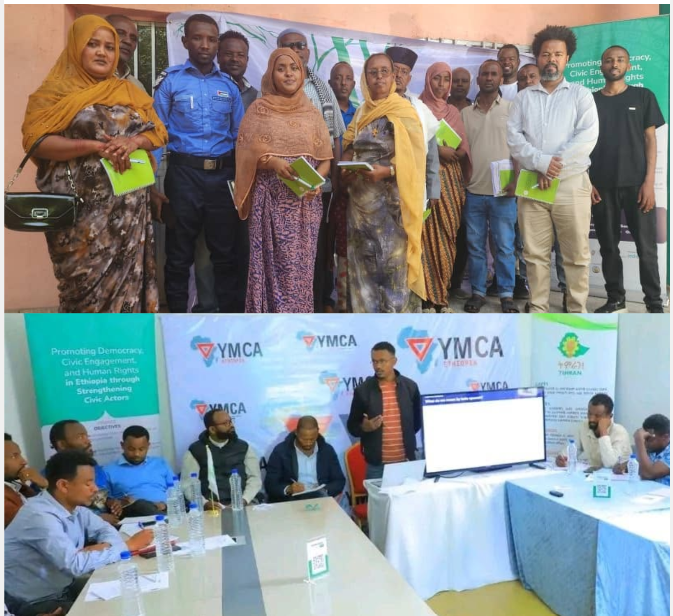
The Coalition of Ethiopian Civil Society Organizations for Elections (CECOE) brought together local stakeholders in Awash 7 Kilo and Wolaita Sodo for activities focused on peace, social cohesion, and civic engagement.
The activities were conducted under the CSIF II project, in collaboration with CECOE. the activities created opportunities for public institutions, community representatives, young people, and other stakeholders to discuss local challenges and identify practical approaches to peaceful coexistence.
Awash 7 Kilo: Promoting Peace and Sportsmanship
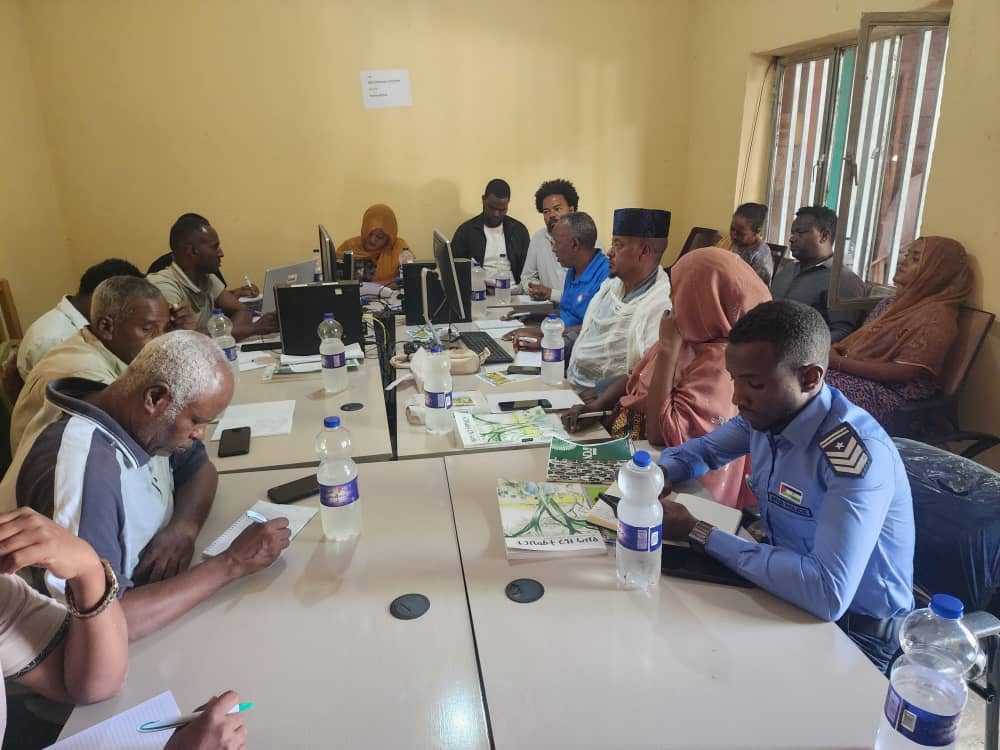
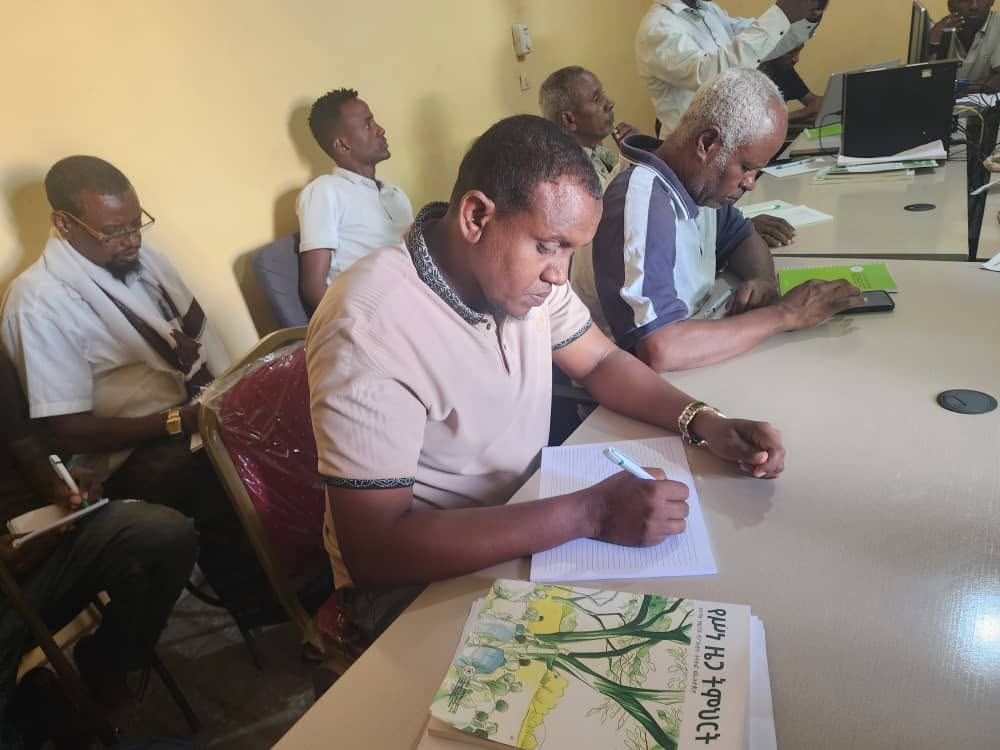
On October 13, 2026, 20 stakeholders gathered at the Awash 7 Kilo Regional Civic Café Hub for a panel discussion titled “Community Dialogue on Peace and Sportsmanship,” organized by Redeem the Generation in collaboration with CECOE.
Participants represented local government offices, security institutions, football coaches and players, civil society organizations, religious communities, and youth and women’s associations. The discussion addressed recurring conflicts associated with local football matches, particularly tensions between Awash 7 and Awash 40. Participants examined factors contributing to these incidents, including disagreements over referees’ decisions, perceived referee bias, rivalries among fans, clan-based taunting, and limited awareness of sports codes of conduct. These conflicts had sometimes escalated into wider community tensions and security concerns.
The discussion encouraged participants to reflect on their role in promoting peace and the practical steps they could take to prevent conflict. This reflection helped shift the conversation away from mutual blame and toward collective problem-solving, highlighting the importance of shared responsibility and coordinated preventive action.
The dialogue resulted in the establishment of a multi-stakeholder peace committee tasked with coordinating preventive measures and supporting sports-related peacebuilding. The committee was also assigned to work toward establishing an official Fan Association to promote discipline and adherence to sports codes of conduct. Participants further agreed on the importance of using media platforms to share peace messages before high-profile matches.
The discussion also highlighted the importance of creating a safe and welcoming environment for community members to participate in local sporting events. Participants emphasized the need for joint efforts to prevent conflict, strengthen trust, and promote sportsmanship.
Wolaita Sodo: Promoting Responsible Digital Engagement
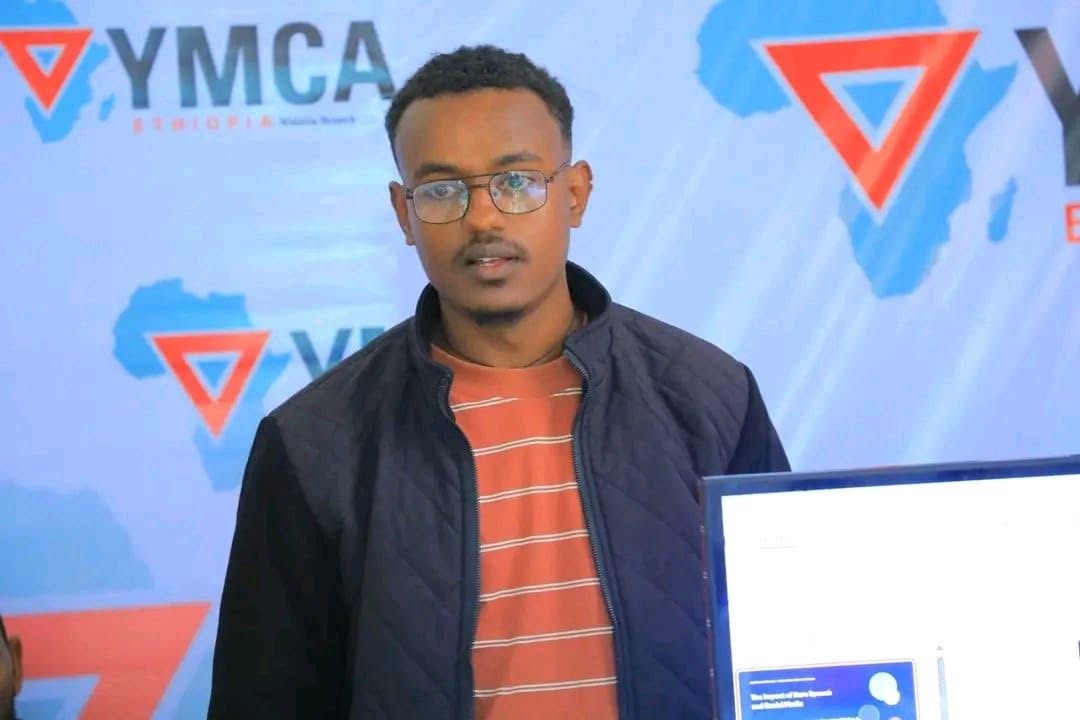
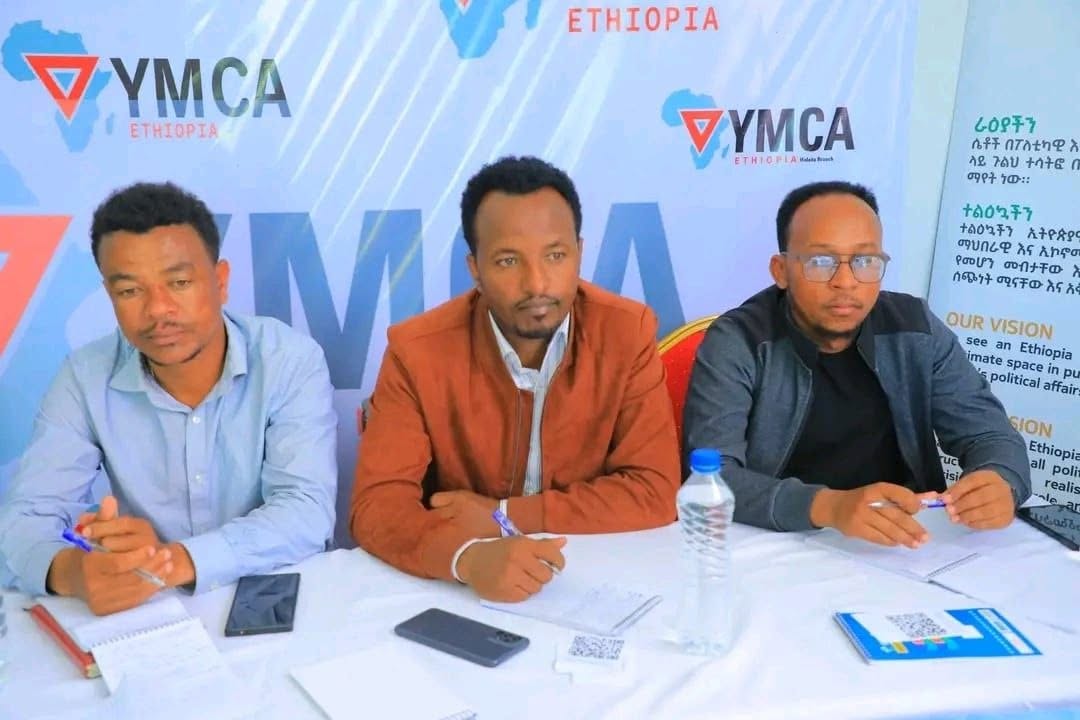
On October 15–16, 2026, 36 participants took part in a stakeholder workshop at the Wolaiyita Regional Hub, organized in collaboration with BDA. The workshop addressed hate speech, misinformation, fake accounts, and the impact of social media on community peace and social cohesion.
Participants represented public institutions, the police, media organizations, religious communities, elders, and youth groups. Through expert presentations, panel discussions, and reflections from community leaders, they explored how rumors, fake accounts, and identity-targeted hate speech can deepen divisions, undermine trust, and threaten peaceful coexistence.
The activity report captured the desired shift from “rumor → blame → dehumanization” toward “verified information → dialogue → cooperation.” This framing emphasized the importance of verifying information before sharing it and encouraging constructive communication instead of allowing misinformation to intensify divisions
Participants were introduced to the PAUSE methodology for verifying information before sharing it. The workshop also generated commitments from participating institutions. The Justice Bureau committed to advocating for the full and balanced implementation of Proclamation No. 1185/2012, while the Peace and Security Bureau pledged to take action against fake account holders and actors contributing to disruption.
Media representatives from WEGAT Radio and Wolayita TV committed to developing peacebuilding and digital literacy programs for the wider community. Participants also emphasized the importance of recognizing young people not only as vulnerable to misinformation but also as potential changemakers who can contribute to peace and community development. They agreed on the value of recognizing young people who use social media positively to promote volunteerism and local development.
Building Peace Through Collective Action
The activities in Awash 7 Kilo and Wolaita Sodo highlighted how dialogue, shared responsibility, and local collaboration can help communities address challenges affecting peace and social cohesion.
While the Awash discussion focused on preventing sports-related conflict and encouraging peaceful participation in community events, the Wolaita Sodo workshop addressed the role of responsible digital engagement in countering misinformation and hate speech.
Together, the activities demonstrated the importance of involving young people, community leaders, public institutions, security actors, and media organizations in developing practical, locally driven solutions. By strengthening cooperation and encouraging meaningful participation, the activities contributed to ongoing efforts to promote peaceful coexistence and more engaged communities.
At CECOE, we believe that lasting peace is built through dialogue, shared responsibility, and active civic participation. By bringing communities and local stakeholders together, we continue to support collective efforts toward peaceful coexistence and stronger, more engaged communities.