Dec 5, 2023
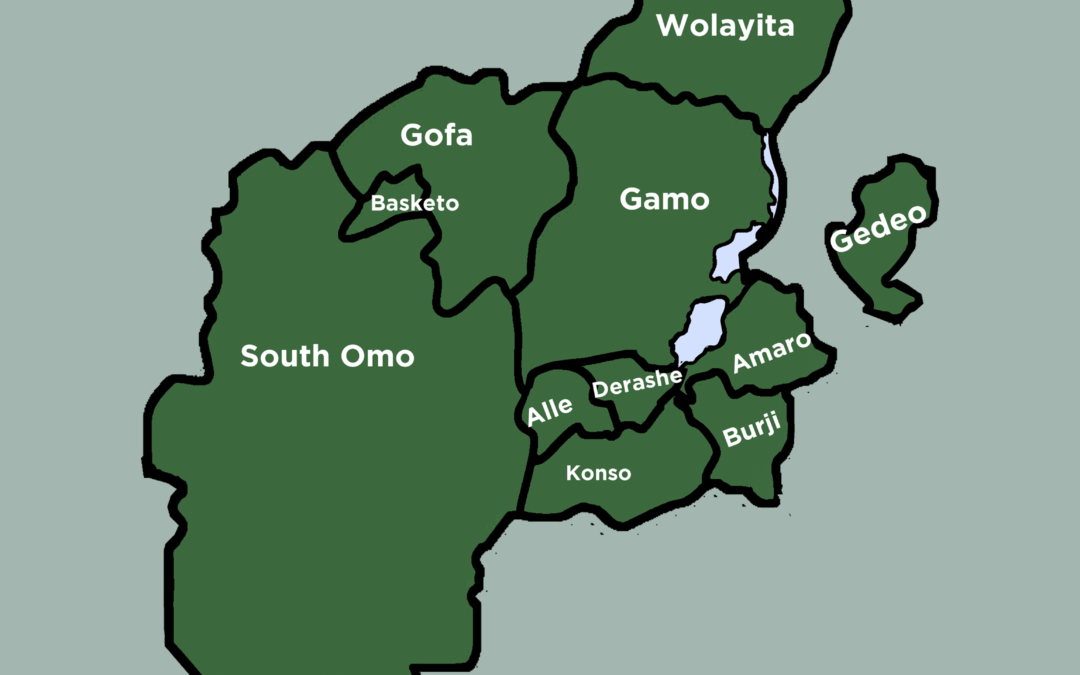
The Ethiopian Constitution of 1995 and other parliamentary proclamations have a provision on the right to self-determination, secession for nations, nationalities and peoples. The Constitution further indicates that for a referendum to be conducted, the request must be approved by a two-thirds majority of the members of the Council of the Nation, Nationality or People concerned, and the demand is presented in writing to the State Council; after this it is sent to NEBE for ratification and a referendum held within a year. The South Ethiopia referendum was the third to be conducted by NEBE since 2018. The first one was the Sidama referendum held in 2019 and the second was the South West Regions referendum held in 2021.
The South referendum was occasioned by the petitioning to the Zonal and special woreda councils of the Six zones and five special woredas by the Committee of Peace Ambassadors, a committee established by the Prime minister to come up with a recommendation for the growing demand for statehood in SNNP region, and consequently, to the House of Federations, which accepted and instructed NEBE to conduct a referendum. NEBE set out February 6, 2023, as the referendum date.
In line with this, CECOE prepared and observed the referendum processes from a holistic perspective by observing the pre-referendum general political environment as well as voter registration, referendum voting day and the post-referendum period. The following section summarizes the major findings of each observation.
Oct 13, 2023
The establishment and functionality of Grievance Hearing Committees (GHCs) is crucial for the timely and appropriate resolution of electoral complaints in every election. Ensuring the effectiveness and efficiency of these GHCs requires putting in place a practical legal framework that balances operational requirements along with the rights of complainants. The Ethiopian election proclamation and the GHCs establishment and operation directive indicate that GHCs are to be established in polling stations, constituencies and regional branch offices with each committee comprising three members.
CECOE’s observation of the Sixth General Elections identified that the NEBE was not able to effectively utilize the legally established GHCs. As a result of this, CECOE has gathered that irregularities were faced by complainants (voters, political parties and others). During the Sixth General Elections, complaints related to counting and tabulation of votes, denial of access to political party agents, dismissal of party agents from the counting process, voter intimidation, interference by ruling party members, and limitation posed by authorities to engage in mobile election observation were some of the instances for submission of complaints.
This policy brief is prepared with the aim of presenting an argument to initiate policy reform discussions among policymakers, more specifically the NEBE, on the Electoral Grievance Mechanisms in Ethiopia. It presents the recommendations to the NEBE, political parties, and civil society organizations (CSOs).
Aug 2, 2023
Considering the importance of the relationship between the Media and Elections, this policy brief examines the challenges, implications, and prospects in the context of the 6th elections of Ethiopia and media access to various electoral stakeholders. Furthermore, it highlights the need for media outlets to adhere to ethical and journalistic standards and provide balanced coverage of the electoral process. It also underscores the importance of increasing media coverage of voter education and ensuring that all stakeholders, including women are adequately represented in media coverage during election periods.
Based on CECOE’s Media Monitoring Unit report, during the period where the 6th general elections were held, election-related topics were often discussed in the media. However, the media coverage was dominated by other political issues(non-election related). While twelve political parties participated in the election debates, only 5 parties frequently participated in major debates. The degree of obeying journalistic ethics and code of conduct varied from one media outlet to another. Furthermore, most media outlets failed to cover the election campaign in a balanced manner contrary to the stipulations of the media laws and NEBE’s directives. The ruling party, Prosperity Party, received the largest amount of coverage compared to other stakeholders. Additionally, media coverage about women was very scant.
In order to play its rightful role, the Ethiopian media sector must draw lessons from its success stories and work on areas that require improvement to have an increased role in the upcoming elections. Otherwise, its role will be curtailed and remain where it was during the previous election.