Strengthening Voter Awareness Through Civil Society Action
A healthy electoral process relies on a well-informed public, but delivering clear, accessible voter education across a diverse nation requires a localized approach. Ahead of Ethiopia’s 7th General Election, the Coalition of Ethiopian Civil Society Organizations for Elections (CECOE) demonstrated how civil society organizations (CSOs) can step in to fill this critical gap, translating complex national procedures into accessible, everyday knowledge.
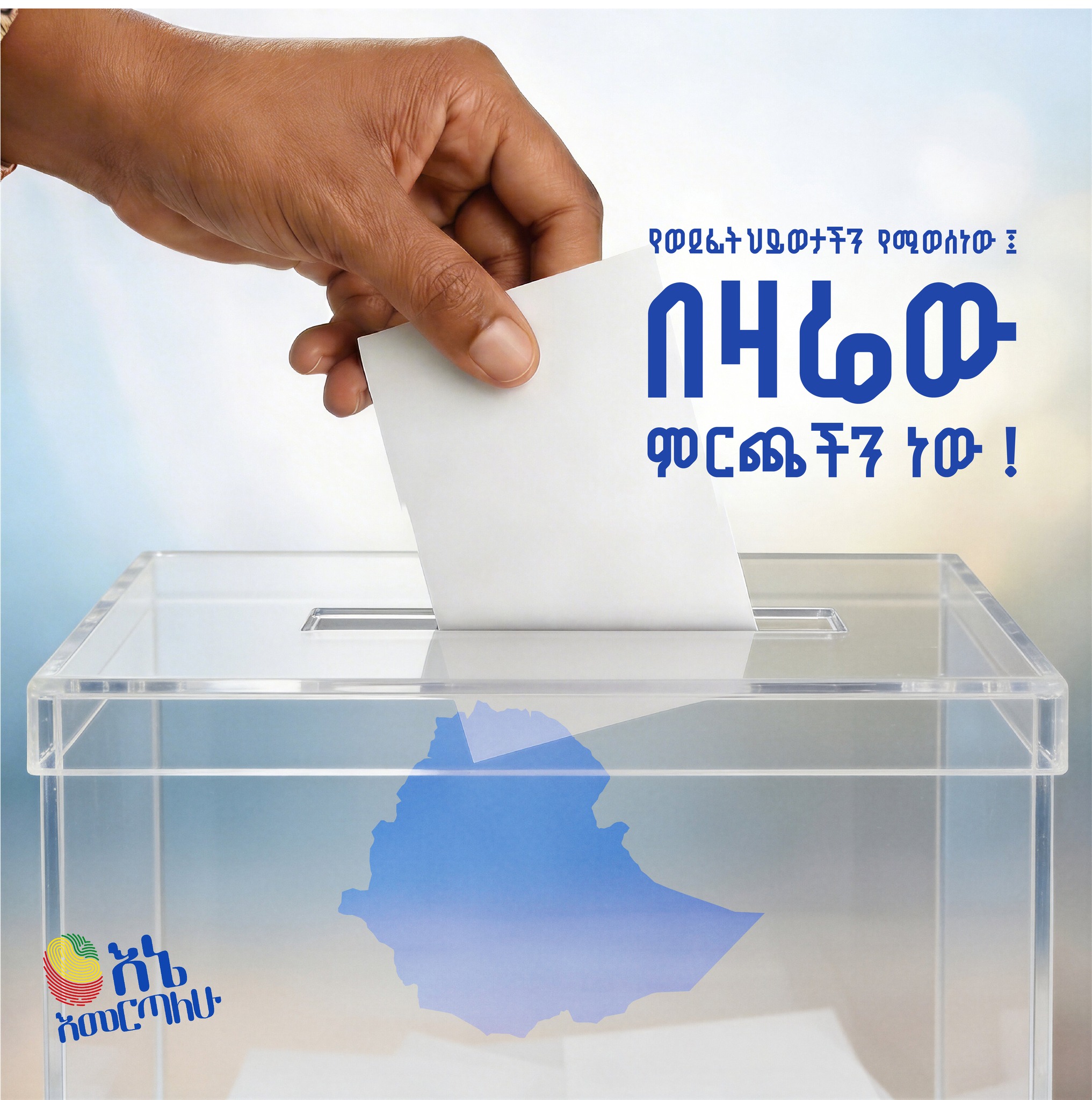
Through its flagship "I Vote" (እኔ እመርጣለሁ) multimedia campaign, CECOE worked on the ground and across digital spaces to help citizens understand their rights, their responsibilities, and the voting process.
The Role of CSOs: Trust and Accessibility
While official electoral bodies manage election logistics, civil society organizations are uniquely positioned to build public trust and reach communities directly. After receiving certification from the National Election Board of Ethiopia (NEBE), CECOE mobilized its network to design a practical, inclusive voter education initiative.
Co-funded by the European Union and KFW, and implemented in partnership with ECES and Zeleman Communications, the campaign ran from February 14 to June 1. It focused on providing neutral, factual information to help ordinary citizens confidently navigate the election.
A Step-by-Step Approach to Educating Voters
Rather than overwhelming the public with information all at once, CECOE structured the campaign into distinct, manageable phases to mirror the timeline of the election itself:
- Explaining the Importance (Phase 1): The initial push focused on basic awareness, explaining why individual participation matters for local communities and reminding eligible citizens about registration deadlines.
- Demystifying the Mechanics (Phase 2): As registration got underway, the messaging shifted to practical guidance, explaining the exact step-by-step procedures for registering and voting according to legal guidelines.
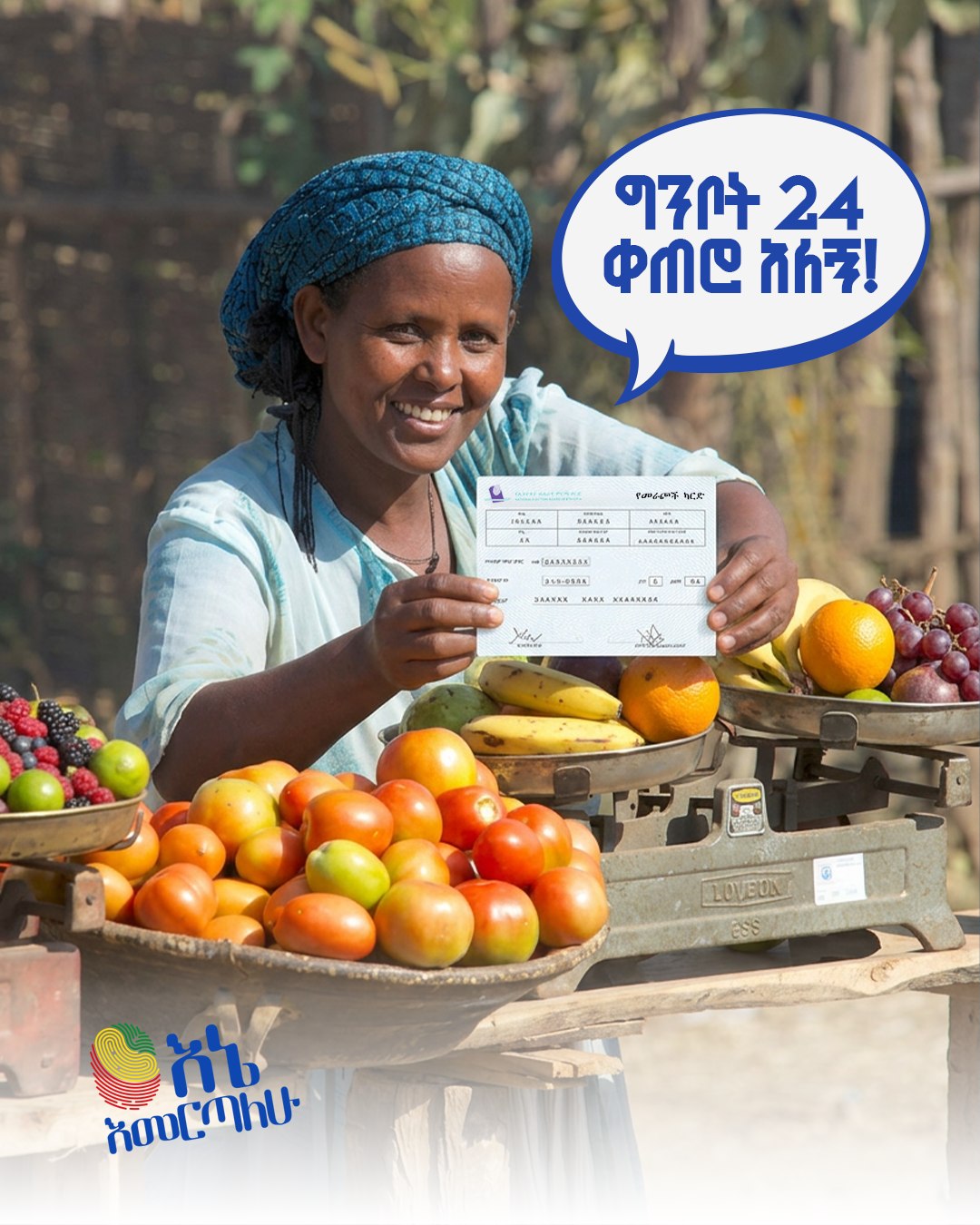
- The Final Reminder (Phase 3): In the weeks leading up to Election Day, CECOE intensified its outreach with countdown reminders, providing practical information on polling station rules and voter rights to ensure a smooth process on the day of the vote.
Inclusive Design
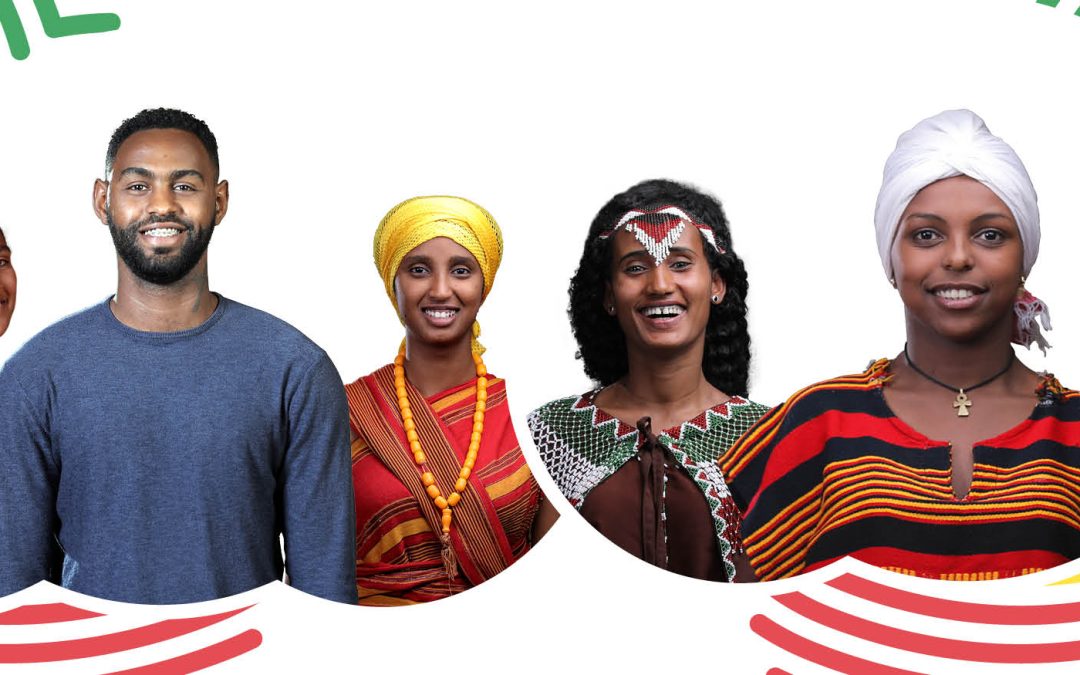
The primary strength of a CSO-led campaign is its focus on inclusion. CECOE deliberately tailored its materials to ensure that language, age, gender, and accessibility needs were not barriers to receiving information:
- Multilingual Media: Public Service Announcements (PSAs) were broadcast across 19 public and private TV and radio stations in five regional languages: Amharic, Afan Oromo, Tigrigna, Af Somali, and Af Afar. This included 1,650 TV spots and thousands of regional radio segments.
- Reaching First-Time Voters: To engage the younger demographic, the campaign utilized neutral macro-influencers on TikTok alongside short, straightforward social media videos to explain the process in an accessible format.
- Addressing Gender Participation: To specifically encourage women's involvement in civic life, CECOE produced "Yesua Dimts" (Her Voice), a 12-episode radio drama focused on the story of a young female candidate.
- Clear Visual Data: The coalition deployed 35 factual digital infographics and embedded sign-language interpretation into video materials to make technical guidelines easy to understand at a glance.
Project Outcomes
By combining traditional broadcasting with digital tools, CECOE achieved steady engagement across the country:
- 5,108,169 Total Impressions: Reflecting broad visibility across platforms.
- 1,931,871 Unique Users Reached: Ensuring nearly two million individual citizens had direct access to voter education.
- 20,632 Direct Engagements/Clicks: Demonstrating that users were actively seeking out more information.
- 0.4% Click-Through Rate (CTR): Confirming that the targeted placements successfully reached the intended audiences.
CECOE’s work during the 7th General Election underscores the practical value of civil society in democratic processes. By breaking down linguistic, geographic, and demographic barriers, the "I Vote" campaign helped ensure that more Ethiopians could approach the ballot box with clarity and confidence.