CECOE has launched the Digital Election Observation Workspace (DEOW)

CECOE has launched the Digital Election Observation Workspace (DEOW)

CECOE has launched the Digital Election Observation Workspace (DEOW) to support and improve its election observation process. As CECOE continues deploying observers across the country, DEOW provides a more structured and efficient system for managing key processes — from recruitment to communication and reporting. The platform includes easier recruitment and management of observers, automated generation of checklists and certificates and samelined communication through broadcast and notification messages. From 27–29 April 2026, the CECOE team received training on the system management.

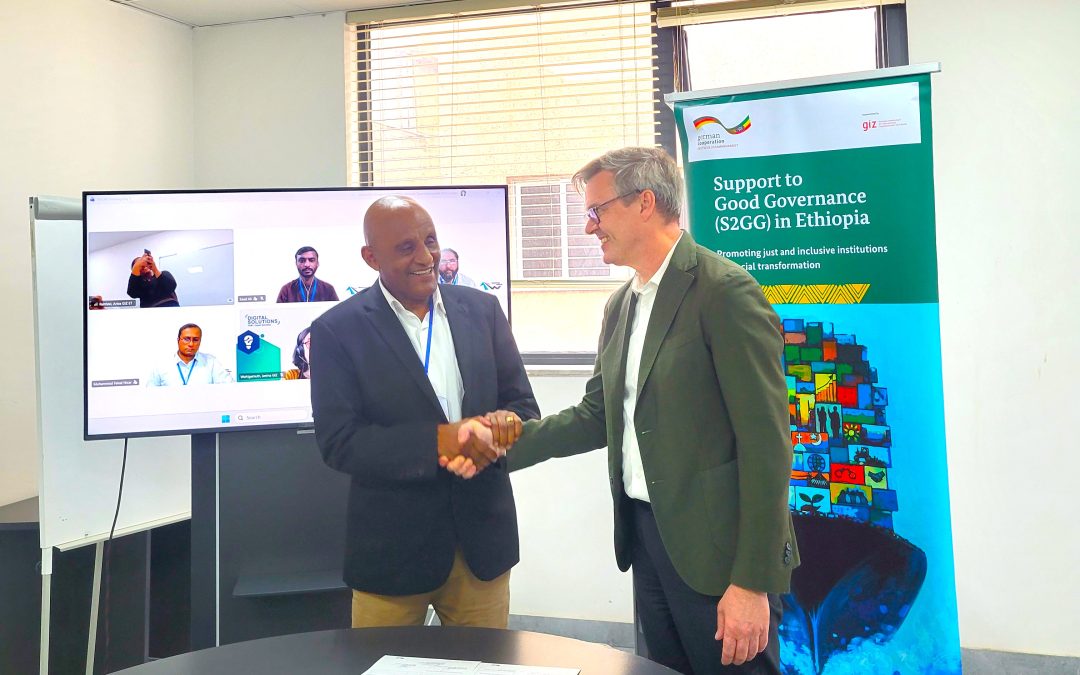
This was followed by an official handover ceremony between Executive Director Ato Abera Hailemariyam and Dr. Marco Hoase, Head of the Programme, Support to Good Governance (S2GG) Programme. In his remarks, Ato Abera highlighted the importance of this partnership, noting that DEOW will significantly strengthen and digitalize CECOE’s observation efforts — making them more advanced, organized, and impactful.

The platform is expected to improve coordination and timeliness in election observation activities of CECOE, while supporting the deployment of a larger number of observers. The development of DEOW was supported by the GIZ-implemented Support to Good Governance (S2GG) Programme.

Observation Finding Report on Voter Registration Processes for the Seventh General Elections of Ethiopia

Introduction

The Coalition of Ethiopian Civil Society Organizations for Election (Coalition for Election), under the accreditation obtained from the National Election Board of Ethiopia (NEBE), is observing the Seventh General Elections. The Coalition has deployed 522 long-term observers (LTOs)  to  observe  the voter registration process across all Ethiopian regions and the two city administrations, Addis Ababa and Dire Dawa  with the exception of the Tigray region and contested areas.

This report evaluates the voter registration process conducted by the NEBE —assisted by both manual and tablet methods—in a systematic manner using consistent observation checklists based on key indicators. This report primarily examines the voter registration process, its inclusiveness (participation of women, persons with disabilities, and the elderly), the deployment of security forces around registration centers, and election security.

The report covers the voter registration process from March 20, 2026, to the conclusion of registration on April 22, 2026. It is based on findings gathered from 3,953 manual and 443 tablet registration centers, totaling 4,396 centers where the Coalition  deployed its 522 long-term observers. Any percentage (%) findings presented in this report are calculated relative to the 3,953 manual and 443 tablet registration centers observed by the Coalition.

Organization and Accessibility of Registration Centers

Location of Centers: Regarding the establishment of registration centers, 3,851 (97%) of observed manual centers and 429 (97%) of tablet centers were established in legally permitted locations. However, 102 (3%) manual and 14 (3%) tablet centers were established in prohibited locations (military, police, religious sites, health centers, bars/hotels, political party offices, and private residences).

Availability of Election Officials: The law stipulates that at least three (3) election officials must be present at registration centers. The Coalition’s observers confirmed an average of 4 officials were present at centers under both registration methods.

Opening Hours: 1,284 (63%) manual centers and 125 (56%) tablet centers began registration between 8:30 AM and 9:30 AM. Conversely, 762 (37%) manual centers and 98 (44%) tablet centers started between 9:30 AM and noon (6:00 local time). In 5 observed manual centers, the registration process had not begun by noon.

Lunch Breaks: Of the 1,902 manual and 220 tablet centers observed during the afternoon session, 1,702 (89%) manual centers utilized the legal one-hour lunch break, while the Coalition observed that 200 (11%) centers took more than one hour. Regarding tablet centers, 205 (93%) used the legal one-hour break, while 15 (7%) were found to have exceeded it.

Closing Hours: Among the centers observed in the afternoon, 1,686 (89%) manual and 193 (88%) tablet centers closed between 5:30 PM and 6:00 PM. Our findings show 137 (7%) manual and 17 (8%) tablet centers closed after 6:00 PM. Conversely, 79 (4%) manual and 10 (5%) tablet centers closed before 5:30 PM.

Interruption of Process: In 2,666 (67%) manual centers and 320 (72%) tablet centers, the registration process was never interrupted. Conversely, registration was interrupted at least once in 1,287 (33%) manual and 123 (28%) tablet centers.

Shelter from Sun and Rain: 2,324 (59%) manual and 268 (60%) tablet centers provided shelter (shade) to protect registrants from sun/rain. In contrast, 1,629 (41%) manual and 175 (40%) tablet centers had no such shelter. Convenience for Women: Regarding proximity to residence and safety concerns, 3,563 (90%) manual and 400 (90%) tablet centers were convenient for women; 390 (10%) manual and 43 (10%) tablet centers were not.

Accessibility for those with Limited Mobility: Only 437 (11%) manual and 88 (20%) tablet centers were accessible to registrants with limited mobility (the elderly, pregnant women, or parents with infants). Conversely, 3,516 (89%) manual and 355 (80%) tablet centers were not accessible to these community members.

Accessibility for Persons with Disabilities: The Coalition observed that 485 (12%) manual and 103 (23%) tablet centers allowed persons with disabilities to enter without assistance, whereas 3,468 (88%) manual and 340 (77%) tablet centers were inaccessible without assistance.

Observer Access: Coalition observers were allowed entry without restriction in 3,927 (99%) manual and 430 (97%) tablet centers. However, access was denied in 26 (1%) manual and 13 (3%) tablet centers.

Security Personnel: Security forces were observed outside 2,999 (76%) manual and 320 (80%) tablet centers. Regular police members were present outside 2,003 (51%) manual and 219 (49%) tablet centers. In the remaining 24% of manual and 32% of tablet centers, security forces other than regular police were present. In 25% of manual and 19% of tablet centers, neither police nor other security forces were present outside.

Incidents of Violence/Harassment: In 99.7% of manual and 99% of tablet centers, no violence, threats, or harassment occurred. However, incidents were reported in a small number of centers involving election officials: one (1) murder (East Gojjam, Amhara); two (2) attempted murders (Awi and Wag Hemra, Amhara); seven (7) abductions/kidnappings (2 in East Gojjam, 2 in Wag Hemra, 2 in West Wollega, Oromia, and 1 in South Omo, South Ethiopia); one (1) beating (North Sidama, Sidama); and six (6) threats (South Wollo, North Wollo, West Gojjam, South Gondar, and South Omo).

Voter Registration Process

Identification Documents: Legally, registrants must provide a Kebele ID, passport (even if expired), driver’s license, military discharge papers, or student ID. In 3,451 (87%) manual centers, registration followed these rules. However, in 494 (12.49%) manual centers, between 1 and 20 people registered without providing these documents, and in 8 centers, more than 20 people registered without verifying identity/residency.

Digital Registration (OTP): For tablet registration, Fayda National ID holders should receive a One-Time Password (OTP) on their phones. In 424 (96%) tablet centers, OTPs were sent without disruption during observation. However, in 13 (3%) centers, 1–20 registrants did not receive an OTP, and in 6 (1%) centers, more than 20 registrants did not receive it.

Digital Registration (Fayda-less): In 412 (93%) tablet centers, officials successfully entered data (name, age, photo, etc.) for those without Fayda IDs. In 26 (6%) centers, officials were unable to enter data for 1–20 registrants, and in 5 (1%) centers, the system rejected evidence for more than 20 registrants.

Registration Cards: The law dictates cards must be issued immediately upon completion. This occurred in 97% of manual centers, but 111 (3%) centers failed to issue them immediately to 1–20 registrants, and 11 (0.2%) centers failed for more than 20 registrants.

Unauthorized Persons: Only registrants, Board officials, party agents, and accredited observers are allowed inside. This was respected in 98% of manual and 96% of tablet centers. However, unauthorized persons (Kebele leaders, security forces, local party coordinators) were found in 83 (2%) manual and 19 (4%) tablet centers.

Physical Presence: Registration must be done in person. While this was followed in most centers, 92 (2%) manual and 12 (3%) tablet centers registered individuals who were not physically present.

Inclusiveness

Gender Parity among Officials: On average, there was one female official out of the four per center. Women served as heads of 672 (17%) manual centers and 109 (25%) tablet centers.

Persons with Disabilities (Officials): Persons with disabilities served as officials in 93 (0.02%) manual and 15 (0.03%) tablet centers, including roles as center heads.

Female controllers/searchers were present in 97% of manual and 98% of tablet centers. They were missing in 4% of manual and 2% of tablet centers.

Assisted Registration Disclosure: The law requires that information for those registering with assistance be read aloud. This was practiced in 46% of manual and 37% of tablet centers but was ignored in 54% of manual and 63% of tablet centers.

Participation of Stakeholders

Political Parties: Party agents were present in only 539 (14%) manual and 61 (14%) tablet centers. They were absent in 86% of centers for both methods.

Civil Society: Excluding the Coalition’s observers, other observers were present in 156 (8%) manual and 52 (12%) tablet centers. They were absent in 92% of manual and 88% of tablet centers.

Strengths, Areas for Improvement, and Recommendations

Strengths

  • Preparation of a legal framework for digital registration, introduction of technology, and its implementation.
  • Over 5.5 million citizens registered through the digital option.
  • Over 50.5 million total voters registered, 46% of whom are women.
  • Most registration centers were established in legally permitted locations.
  • Observation that most centers were staffed by an average of 4 officials.
  • 87% of observed centers required proper identification for registration.
  • Observer access was granted without restriction in over 97% of centers.

Areas for Improvement

  • Frequent interruptions in the digital registration system.
  • Establishment of a small number of centers in prohibited locations.
  • Instances of registration without identity verification or physical presence, and the presence of unauthorized persons.
  • Inaccessibility of many centers for persons with disabilities and those with limited mobility.
  • Incidents of murder, threats, and abductions against officials and voters by armed forces.

Recommendations

To the National Election Board of Ethiopia (NEBE):

  • Strengthen digital registration infrastructure immediately to resolve system interruptions.
  • Enforce identity verification and physical presence requirements; take legal action against those who violate these laws.
  • Strictly monitor and ensure registration centers are established only in permitted locations.
  • Ensure polling stations for Election Day are accessible to persons with disabilities and strictly follow the protocol of reading registration information aloud for those receiving assistance.
  • Improve election officials’ attendance and punctuality through continuous monitoring and training.
  • Ensure all centers provide shelter from sun and rain.

To Regional Governments:

  • Ensure polling stations are in legal locations, are accessible to persons with disabilities, and provide shelter as required by law.

To Security Forces:

  • Provide adequate protection to prevent threats and attacks against officials, voters, and observers.
  • Deploy regular police members outside polling stations for security.

To Political Parties and Civil Society:

Fulfill the responsibility of ensuring transparency, inclusivity, and accountability by deploying agents and observers on Election Day. the Coalition.

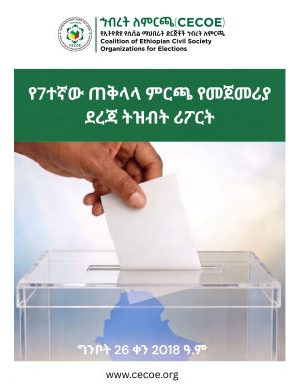
7ኛው ጠቅላላ ምርጫ የመራጮች ምዝገባ ትዝብት ግኝቶችን በተመለከተ የተሰጠ መግለጫ – (ሚያዚያ 26 ፣ 2018 ዓ.ም)

የኢትዮጵያ የሲቪል ማህበራት ድርጅቶች ኅብረት ለምርጫ (ኅብረት ለምርጫ)

መግቢያ  

የኢትዮጵያ ሲቪል ማህበራት ድርጅቶች ኅብረት ለምርጫ (ኅብረት ለምርጫ)፣ ከኢትዮጵያ ብሄራዊ ምርጫ ቦርድ ባገኘው የትዝብት ፈቃድ፣ ሰባተኛውን ጠቅላላ ምርጫ በመታዘብ ላይ ይገኛል። ኅብረቱ የመራጮች ምዝገባ ሂደትን የሚታዘቡ 522 የረዥም ጊዜ ታዛቢዎችን ከትግራይ ክልል እና አከራካሪ ከሆኑ ቦታዎች በስተቀር በሁሉም የኢትዮጵያ ክልሎች እና የከተማ መስተዳደሮች አሰማርቶ ሲታዘብ ቆይቷል።

ይህ ሪፖርት የኢትዮጵያ ብሄራዊ ምርጫ ቦርድ በማኑዋል(manual) እና በታብሌት በመታገዝ ያካሄደውን የመራጮች ምዝገባ ሂደት ኅብረት ለምርጫ ስልታዊ (Systematic) በሆነ መንገድ ፤ ወጥነት ያላቸውን የትዝብት ቅጾች (Checklists) በመጠቀም በተመረጡ አመላካቾች (Key indicators) መዝኗል። ይህ ሪፖርት በዋነኝነት የመራጮች የምዝገባ ሂደት፤ የሂደቱን አካታችነት (ሴቶችን፣ አካል ጉዳተኞችን እና አቅመ ደካሞችን ማሳተፉ)፤ በምዝገባ ጣቢያዎች አካባቢ የነበረው የጸጥታ አስከባሪዎች ስምሪት እና የምርጫ ደህንነትን ዳስሷል። 

ሪፖርቱ ከመጋቢት 12 ቀን 2018 ዓ.ም ጀምሮ ምዝገባው እስከተጠናቀቀበት ሚያዚያ 14 ቀን 2018 ዓ.ም ድረስ ያለውን የመራጮች ምዝገባ ሂደት የሚሸፍን ሲሆን ኅብረት ለምርጫ 522 የረዥም ጊዜ ታዛቢዎችን ባሰማራባቸው 3,953 የማኑዋል እና 443 የታብሌት በአጠቃላይ ከ4,396 የምዝገባ ጣቢያዎች በተሰበሰቡ ግኝቶች ላይ የተመሰረት ነው። 

በዚህ ሪፖርት የቀረቡት ማንኛውም በመቶኛ (%) የተቀመጡ ግኝቶች ኅብረቱ ከታዘባቸው 3,953 የማኑዋል እና 443 የታብሌት የምዝገባ ጣቢያዎች አኳያ የተሰሉ ናቸው።

የምዘገባ ጣቢያዎች አደረጃጀት እና ተደራሽነት

  • የምዝገባ ጣቢያዎች የተቋቋሙበት ሥፍራን በተመለከተ ኅብረቱ በታዘባቸው 3,851 (97%) የማኑዋል ምዝገባ ጣቢያዎች እና 429 (97%) የታብሌት ምዝገባ ጣቢያዎች በህጉ በተፈቀዱ ቦታዎች ተቋቁመዋል። ይሁን እንጂ 102 (3%) የማኑዋል ምዝገባ ጣቢያዎች እና 14 (3%) የታብሌት ምዝገባ ጣቢያዎች ክልከላ በተደረገባቸው ቦታዎች (ወታደራዊ፣ ፖሊስ፣ ሃይማኖታዊ፣ ጤና ጣቢያ፣ መጠጥ ቤት/ሆቴል፣ የፖለቲካ ፓርቲ ጽህፈት ቤት እና የግል መኖሪያ ቤት) ተቋቁመዋል። 
  • የምርጫ አስፈጻሚዎች መሟላትን በተመለከተ ህጉ በምዝገባ ጣቢያዎች ቢያንስ ሶስት (3) የምርጫ አስፈጻሚዎች መገኘት እንዳለባቸው ይደነግጋል። የኅብረቱ ታዛቢዎች በታዘቧቸው በሁለቱም የምዝገባ አማራጮች ምዝገባ በተደረገባቸው ጣቢያዎች በአማካይ 4 አስፈፃሚዎች መኖራቸው ተረጋገጧል።
  • የምዝገባ ጣቢያዎች የተከፈቱበትን ሰዓት በተመለከተ በ1,284 (63%) የማኑዋል ምዝገባ ጣቢያዎች እና በ125 (56%) የታብሌት ጣቢያዎች የምዝገባውን ሂደት ከጠዋት ከ2፡30 እስከ 3፡30 ባለው ሰዓት አስጀምረዋል። በአንጻሩ በ762 (37%) የማኑዋል ምዝገባ ጣቢያዎች እና በ98 (44%) የታብሌት የምዝገባ ጣቢያዎች ምዝገባው ከ3፡30 እስከ እኩለ ቀን (6፡00 ሰዓት) ተጀምሯል። ትዝብት በተደረገባቸው 5 የማኑዋል ምዝገባ ጣቢያዎች እስከ እኩለ ቀን (6፡00 ሰዓት) የምዝገባ ሂደቱ አልተጀመረም። 
  • የምርጫ አስፈጻሚዎች የምሳ ዕረፍት አጠቃቀምን በተመለከተ በከሰዓቱ ክፍለ ጊዜ ትዝብት ከተደረገባቸው 1,902 የማኑዋል ምዝገባ ጣቢያዎች እና 220 የታብሌት ምዝገባ ጣቢያዎች መካከል በ1,702 (89%) የማኑዋል ምዝገባ ጣቢያዎች በህጉ መሰረት የተሰጠውን የአንድ ሰዓት (1፡00 ሰዓት) የምሳ ዕረፍት የተጠቀሙ ሲሆን 200 (11%) ጣቢያዎች ላይ ከአንድ ሰዓት በላይ የምሳ ዕረፍት እንደተጠቀሙ ኅብረቱ ታዝቧል። የታብሌት ምዝገባ ጣቢያዎችን በተመለከተ በ205 (93%) ትዝብት የተደረገባቸው ጣቢያዎች በህጉ መሰረት የተሰጠውን የአንድ ሰዓት የምሳ ዕረፍት የተጠቀሙ ሲሆን 15 (7%) ጣቢያዎች ላይ ከአንድ ሰዓት በላይ የምሳ ዕረፍት መጠቀማቸው ታውቋል።
  • የምዝገባ ጣቢያዎች መዝጊያ ሰዓትን በተመለከተ በከሰዓቱ ክፍለ ጊዜ ትዝብት ከተደረገባቸው 1,902 የማኑዋል ምዝገባ ጣቢያዎች እና 220 የታብሌት ምዝገባ ጣቢያዎች መካከል በ1,686 (89%) የማንዋል እና 193 (88%) የታብሌት የምዝገባ ጣቢያዎች ከ11፡30 ሰዓት እስከ 12፡00 ሰዓት ባለው ጊዜ መዘጋታቸው ታውቋል። 137 (7%) የማኑዋል እና 17 (8%) የታብሌት ምዝገባ ጣቢያዎች ከምሽቱ 12፡00 ሰዓት በኋላ መዘጋታቸውን ግኝታችን ያሳያል። በአንጻሩ በ79 (4%) የማኑዋል ምዝገባ ጣቢያዎች እና በ10 (5%) የታብሌት የምዝገባ ጣቢያዎች ከ11፡30 በፊት መዘጋታቸውን የትዝብት ሪፖርቱ ያሳያል። 
  • የምዝገባ ሂደት መቋረጥን በተመለከተ ኅብረቱ ከታዘባቸው የምዝገባ ጣቢያዎች 2,666 (67%) የማኑዋል ምዝገባ ጣቢያዎች እና 320 (72%) የታብሌት ምዝገባ ጣቢያዎች የምዝገባው ሂደት በማናቸውም ግዜ አልተቋረጠም። በተቃራኒው በ1,287 (33%) የማኑዋል የምዝገባ ጣቢያዎች እና በ123 (28%) የታብሌት የምዝገባ ጣቢያዎች ምዝገባ ቢያንስ አንድ ግዜ ተቋርጧል።
  • በምዝገባ ጣቢያዎች የጸሃይ እና የዝናብ መከለያ መኖርን በተመለከተ ኅብረቱ ከታዘባቸው 2,324 (59%) የማንዋል ምዝገባ ጣቢያዎች እና 268 (60%) የታብሌት ምዝገባ ጣቢያዎች ተመዝጋቢዎችን ከፀሐይ/ከዝናብ የሚከላከል መጠለያ (ጥላ) ማዘጋጀታቸውን፤ በተቃራኒው 1,629 (41%) በማኑዋል ምዝገባ እና 175 (40%) የታብሌት ምዝገባ ጣቢያዎች ግን ከጸሃይ እና ከዝናብ የሚከላከል መጠለያ አልተዘጋጀላቸውም።
  • የምዝገባ ጣቢያዎች አደረጃጀት ለሴት ተመዝጋቢዎች ከመኖሪያ ቦታቸው ያለው ርቀት እና ከደህንነት ስጋት አኳያ ያላቸውን አመቺነት በተመለከተ ኅብረቱ በታዘባቸው 3,563 (90%) የማኑዋል የምዝገባ ጣቢያዎች እና 400 (90%) የታብሌት ምዝገባ ጣቢያዎች ለሴቶች አመቺ እንደነበሩ በአንጻሩ ደግሞ 390 (10%) እና 43 (10%) የማንዋል እና የታብሌት ምዝገባ ጣቢያዎች እንደቅደም ተከተላቸው ለሴቶች አመቺ አልነበሩም።
  • የምዝገባ ጣቢያዎች የመንቀሳቀስ ውስንነት ላለባቸው ተመዝጋቢዎች (አረጋውያን፣ ነፍሰ ጡር ሴቶች ወይም ጨቅላ ሕጻናትን የያዙ ወላጆች) የነበራቸውን ተደራሽነት በተመለከተ ኅብረቱ ከታዘባቸው 437 (11%) የማኑዋል ምዝገባ ጣቢያዎች እና 88 (20%) የታብሌት ምዝገባ ጣቢያዎች የመንቀሳቀስ ውስንነት ላለባቸው ተመዝጋቢዎች (አረጋውያን፣ ነፍሰ ጡር ሴቶች ወይም ጨቅላ ሕጻናትን የያዙ ወላጆች) ተደራሽ እንደነበሩ ሲያመለክቱ በተቃራኒው 3,516 (89%) የማኑዋል ምዝገባ ጣቢያዎች እና 355 (80%) የታብሌት ምዝገባ ጣቢያዎች ለነዚህ የማህበረሰብ ክፍሎች ተደራሽ አልነበሩም።
  • የምዝገባ ጣቢያዎች ለአካል ጉዳተኞች ያላቸውን አመቺነት በተመለከተ ኅብረቱ ከታዘባቸው የምዝገባ ጣቢያዎች 485 (12%) የማኑዋል ምዝገባ ጣቢያዎች እና 103 (23%) የታብሌት ምዝገባ ጣቢያዎች አካል ጉዳተኞች ያለ እርዳታ ሊገቡባቸው የሚችሉ እንደነበሩ ሆኖም በ3,468 (88%) የማኑዋል ምዝገባ ጣቢያዎች እና በ340 (77%) የታብሌት ምዝገባ ጣቢያዎች የአካል ጉዳተኞች ያለእርዳታ ሊገቡ የማያስችሉ እንደነበሩ ኅብረቱ ታዝቧል። 
  • የኅብረቱ ታዛቢዎች ወደ ምዝገባ ጣቢያዎች ገብተው መታዘብን በተመለከተ በ3,927 (99%) የማኑዋል ምዝገባ ጣቢያዎች እና በ430 (97%) የታብሌት ምዝገባ ጣቢያዎች የኅብረቱ ታዛቢዎች ያለ ምንም ክልከላ እንዲገቡ ተፈቅዶላቸዋል። ሆኖም በ26 (1%) የማኑዋል ምዝገባ እና በ13 (3%) የታብሌት ምዝገባ ጣቢያዎች የኅብረቱ ታዛቢዎች ወደ ምዝገባ ጣቢያዎች እንዳይገቡ ተከልክለዋል። 
  • የጸጥታ አስከባሪዎች ኅብረቱ በታዘባቸው 2,999 (76%) የማኑዋል እና በ320 (80%) የታብሌት ምዝገባ ጣቢያዎች ከምዝገባ ጣቢያዎች ውጭ መገኘታቸውን ታዝበናል። ከእነዚህ ውስጥ 2003 (51%) የማንዋል እና 219 (49%) የታብሌት የምዝገባ ጣቢያዎች ላይ የመደበኛ ፖሊስ አባላት ከምዝገባ ጣቢያዎች ውጭ ተገኝተዋል። በተቀሩት 972 (24%) የማንዋል እና 142 (32%) የታብሌት የምዝገባ ጣቢያዎች ደግሞ ከመደበኛ ፖሊስ ውጭ ያሉ ሌሎች የፀጥታ አካላት ከምዝገባ ጣቢያዎች ውጭ ተገኝተዋል። 978 (25%) በማንዋል እና 82 (19%) በታብሌት የምዝገባ ጣቢያዎች ደግሞ ፖሊስም ሆነ ሌሎች የፀጥታ አካላት ከምርጫ ጣቢያ ውጪ አልነበሩም።   
  • በምዝገባ ጣቢያዎች ውስጥ እና አካባቢ በተመዝጋቢዎች፣ አስፈጻሚዎች፣ታዛቢዎች ላይ የደረሰ ጥቃት፣ ማስፈራራት፣ ወከባ እና ወዘተ በተመለከተ በ3,942 (99.7%) የማኑዋል እና 438 (99%) የታብሌት ምዝገባ ጣቢያዎች ውስጥ ወይም አካባቢ ከላይ የተዘረዘሩ ድርጊቶች ያልተከሰቱ ሲሆን በ11 (0.03%) የማኑዋል እና በ5 (1%) የታብሌት ምዝገባ ጣቢያዎች ውስጥ ወይም አካባቢ በምርጫ አስፈጻሚዎች ላይ አንድ (1) የግድያ (በአማራ ክልል ምስራቅ ጎጃም ዞን) ፤ ሁለት (2) የግድያ ሙከራ (አማራ ክልል አዊ ዞን እና ዋግ ህምራ ዞን) ፣ ሰባት (7) አፈና/ዕገታ (በአማራ ክልል በምስራቅ ጎጃም ዞን ሁለት (2) ፤ በዋግ ሕምራ ዞን ሁለት (2) እንዲሁም በኦሮሚያ ክልል ምዕራብ ወለጋ ዞን ሁለት (2)፣ ደቡብ ኢትዮጵያ ክልል ደቡብ ኦሞ ዞን አንድ (1)) አንድ (1) ድብደባ (ሲዳማ ክልል ሰሜናዊ ሲዳማ ዞን)፣ ስድስት(6) የማስፈራራት (በአማራ ክልል በደቡብ ወሎ ዞን፣ ሰሜን ወሎ ዞን ፤ በምዕራብ ጎጃም ዞን፣ ደቡብ ጎንደር ዞን፣ ደቡብ ኢትዮጵያ ክልል ደቡብ ኦሞ ዞን) ተፈጽመዋል። 

የመራጮች ምዝገባ ሂደት

  • በሕጉ መሠረት ማንኛውም ተመዝጋቢ የቀበሌ መታወቂያ ወይም ፓስፖርት (ጊዜው ያለፈበት ቢሆንም)፣ የመንጃ ፈቃድ፣ ከውትድርና የተገለሉበት ማስረጃ፣ የተማሪ መታወቂያ እና የመሳሰሉ ሰነዶችን ለመመዝገብ በማስረጃነት ማቅረብ ይኖርበታል። ትዝብት ከተደረገባቸው በማኑዋል ምዝገባ ካከናወኑ 3,953 የምዝገባ ጣቢያዎች መካከል 3,451 (87%) በህጉ መሰረት ማንነታቸውን እና ነዋሪነታቸውን የሚያረጋግጥ ሰነድ በማቅረብ ተመዝግበዋል። ሆኖም ቁጥራቸው ከአንድ እስከ ሃያ (1 – 20) የሚደርሱ ተመዝጋቢዎች በ494 (12.49%) የማኑዋል ምዝገባ ጣቢያዎች ከላይ የተዘረዘሩ ሰነዶችን ሳያቀርቡ ተመዝግበዋል። በተጨማሪም በ8 (0.002%) ጣቢያዎች ከ20 በላይ ተመዝጋቢዎች ማንነታቸውን እና ነዋሪነታቸውን ሳያረጋግጡ ተመዝግበዋል።  
  • በታብሌት ምዝገባ በተደረገባቸው ጣቢያዎች የፋይዳ ብሔራዊ መታወቂያ ላላቸው ተመዝጋቢዎች የአንድ ጊዜ የይለፍ ቃል (OTP) በተመዘገቡበት ስልክ ቁጥር መላክ ያለበት ሲሆን ፋይዳ ለሌላቸው ተመዝጋቢዎች የምርጫ አስፈጻሚዎች ታብሌቱን በመጠቀም የተመዝጋቢዎችን መረጃ በማስገባት ይመዘግባሉ። በዚህም መሰረት ኅብረቱ ከታዘባቸው 443 የታብሌት ምዝገባ ጣቢያዎች መካከል 424 (96%) ወደ ተመዝጋቢው ስልክ የአንድ ጊዜ የይለፍ ቃል ያለምንም መስተጓጎል የኅብረቱ ታዛቢዎች በነበሩበት ሰዓት ሲልክ የነበረ ሲሆን 13 (3%) የታብሌት ምዝገባ ጣቢያዎች ቁጥራቸው ከአንድ እስከ ሃያ (1 – 20) ለሚሆኑ ተመዝጋቢዎች የይለፍ ቃል አለመላኩን መታዘብ ተችሏል። በተጨማሪም በ6(1%) የታብሌት ምዝገባ ጣቢያዎች ከ20 በላይ ለሚሆኑ ተመዝጋቢዎች የይለፍ ቃል ወደስልካቸው አልተላከም። 
  • የብሔራዊ ዲጂታል መታወቂያ (ፋይዳ) የሌላቸው የታብሌት ተመዝጋቢዎችን በተመለከተ በ412 (93%) የታብሌት ምዝገባ ጣቢያዎች መተግበሪያው ተመዝጋቢዎች ያቀረቡትን መረጃ (ስም፣ ዕድሜ፣ ፎቶ እና የመሳሰሉትን) የኅብረቱ ታዛቢዎች በጣቢያው በነበሩበት ሰዓት ሙሉ ለሙሉ አስፈጻሚዎች ወደመተግበሪያው ማስገባታቸውን እና ተቀባይነት ማግኘቱን ታዝበዋል። በተጨማሪም በ26 (6%) የታብሌት ምዝገባ ጣቢያዎች ከአንድ እስከ ሃያ (1 – 20) የሚሆኑ ተመዝጋቢዎች መረጃዎችን አስፈጻሚዎች ወደ መተግበሪያው ማስገባት አለመቻላቸውን እንዲኢሁም በ5 (1%) የምዝገባ ጣቢያዎች ደግሞ ከ20 በላይ ለሆኑ ተመዝጋቢዎች የቀረቡትን ማስረጃዎች ሲስተሙ እንዳልተቀበለ ለመታዘብ ተችሏል። 
  • በማኑዋል የምዝገባ ሂደት መራጮች ምዝገባቸውን እንዳጠናቀቁ ወዲያውኑ የምዝገባ ካርድ ማግኘት እንዳለባቸው የምርጫ ህጉ ይደነግጋል። ኅብረቱ በታዘበባቸው በ3,831 (97%) የማኑዋል ምዝገባ ጣቢያዎች ተመዝጋቢዎች እንደተመዘገቡ ወዲያውኑ የመመዝገቢያ ካርዳቸው የተሰጣቸው ሲሆን በ111 (3%) ከአንድ እስከ ሃያ (1 – 20) ተመዝጋቢዎች የምዝገባ ካርድ ወዲያውኑ አልተሰጣቸውም። በተጨማሪም በ11 (0.2%) የማኑዋል ምዝገባ ጣቢያዎች ከ20 በላይ ተመዝጋቢዎች የምዝገባ ካርድ ወዲያውኑ አልተሰጣቸውም። 
  • በምርጫ ሕጉ በምዝገባ ጣቢያዎች እንዲገኙ ከተፈቀደላቸው አካላት ማለትም ተመዝጋቢዎች ተመዝግበው እስኪጨርሱ፣ ከምርጫ ቦርድ አስፈጻሚዎችና ሠራተኞች፣ ከፓርቲ ወኪሎች እንዲሁም ዕውቅና ካላቸው ታዛቢዎች ውጭ ማንኛውም ሌላ አካል በጣቢያው ውስጥ መገኘት የተከለከለ ነው። ኅብረቱ ከታዘባቸው ጣቢዎች ውስጥ በ3,870 (98%) የማኑዋል ምዝገባ ጣቢያዎች እና 424 (96%) የታብሌት ምዝገባ ጣቢያዎች ያልተፈቀደላቸው ሰዎች በምዝገባ ጣቢያዎች ውስጥ አልተገኙም። ሆኖም ግን በ83 (2%) የማኑዋል እና 19 (4%) የታብሌት ምዝገባ ጣቢያዎች ውስጥ ያልተፈቀደላቸው አካላት (የቀበሌ አመራሮች እና አስተዳደሮች፤ የጸጥታ አካላት፤ የአካባቢ የፓርቲ አስተባባሪዎች) በጣብያዎች ውስጥ ተገኝተዋል። 
  • በምርጫ ሕጉ መሠረት ማንኛውም ተመዝጋቢ በምዝገባ ጣቢያው በአካል ቀርቦ መመዝገብ ያለበት ሲሆን፣ በአካል ሳይቀርቡ መመዝገብ የተከለከለ እንደሆነ ተደንግጓል። ኅብረቱ ከታዘባቸው ጣቢያዎች መካከል በ3,861 (98%) የማኑዋል ምዝገባ ጣቢያዎች እና በ431 (97%) የታብሌት ምዝገባ ጣቢያዎች ተመዝጋቢዎች በአካል ተገኝተው ሲመዘገቡ በ92 (2%) የማኑዋል እና 12 (3%) የታብሌት ምዝገባ ጣቢዎች ተመዝጋቢዎች በአካል ሳይቀርቡ ተመዝግበዋል። 

አካታችነት 

  • የምዝገባ ጣቢያ አስፈጻሚዎች እና ኃላፊዎች የጾታ እና የአካል ጉዳት ስብጥርን በተመለከተ የኅብረቱ ታዛቢዎች በታዘቧቸው በሁለቱም የምዝገባ አማራጮች ምዝገባ በተደረገባቸው ጣቢያዎች በአማካይ ከተገኙ 4 አስፈፃሚዎች መካካል አንድ ሴት አስፈጻሚ ነበረች። ሴት አስፈጻሚዎች ከተሰማሩባቸው የማኑዋል ምዝገባ ጣቢያዎች መካከል በ672 (17%) ጣቢያዎች ኃላፊዋ ሴት ስትሆን የታብሌት ምዝገባ ጣቢያዎችን በተመለከተ በ109 (25%) ጣቢያዎች ኃላፊዋ ሴት ነበረች። 
  • አካል ጉዳተኞችን በተመለከተ ትዝብት ከተደረገባቸው የምዝገባ ጣቢያዎች በ93 (0.02%) የማኑዋል እና 15 (0.03%) የታብሌት ምዝገባ ጣቢያዎች አካል ጉዳተኞች በአስፈጻሚነት የተሳተፉ ሲሆን በእነዚህ ጣቢያዎች አካል ጉዳት ያለባቸው የምርጫ አስፈጻሚዎች በጣቢያ ኃላፊነት ሰርተዋል።
  • ሴት የሰልፍ ተቆጣጣሪዎችን በተመለከተ ኅብረቱ ከታዘባቸው 3,839 (97%) የማኑዋል እና 434 (98%) የታብሌት ምዝገባ ጣቢያዎች ሴት የሰልፍ ተቆጣጣሪዎች (ፈታሾች) የነበሩ ሲሆን በ114 (4%) የማኑዋል እና 9 (2%) የታብሌት ጣቢያዎች ላይ ሴት የሰልፍ ተቆጣጣሪዎች (ፈታሾች) አልተመደቡም።
  • በድጋፍ ለሚመዘገቡ ሰዎች የሰጡትን መረጃ ተመዝጋቢው እና ታዛቢዎች መስማት በሚችሉት ልክ ጮክ ብሎ መነበብ እንዳለበት ህጉ ያስቀምጣል። በዚህም መሰረት ኅብረቱ ከታዘባቸው የምዝገባ ጣቢያዎች በ808 (46%) የማኑዋል እና 162 (37%) የታብሌት ምዝገባ ጣቢያዎች የተተገበረ ሲሆን፣ በ2,145 (54%) የማኑዋል እና 281 (63%) የታብሌት ምዝገባ ጣቢያዎች ግን ይህ አሰራር አልተተገበረም።

የምርጫ ባለድርሻ አካላት ተሳትፎ 

  • ፖለቲካ ፓርቲዎች የምዝገባው ሂደት ግልጽነት እንዲኖረው ለማረጋገጥ እንዲሁም የፓርቲያቸውን ጥቅም ለማስጠበቅ፣ በምርጫ ቦርድ ዕውቅና ያገኙ ወኪሎቻቸውን በምዝገባ ጣቢያዎች ማሰማራት ይጠበቅባቸዋል። ኅብረቱ ከታዘባቸው የምዝገባ ጣቢያዎች በ539 (14%) የማኑዋል እና በ61 (14%) የታብሌት ምዝገባ ጣቢያዎች የፓርቲ ወኪሎች የተገኙ ሲሆን በ3,414 (86%) የማኑዋል እና በ382 (86%) የታብሌት ምዝገባ ጣቢያዎች የፓርቲ ወኪሎች አልተገኙም። 
  • የሲቪል ማህበረሰብ ድርጅቶች የምዝገባው ሂደት አካታች፣ግልጽ እና ተጠያቂነት የሰፈነበት መሆኑን ለመታዘብ እና ግኝቶቻቸውን ለህዝብ፣ ለምርጫ ቦርድ ፣ ለፖለቲካ ፓርቲዎች፣ ለሚዲያ ለማቅረብ ታዛቢዎችን ያሰማራሉ። ከዚህ አንጻር ኅብረቱ ከታዘበባቸው የማኑዋል እና የታብሌት ምዝገባ ጣቢያዎች ውስጥ (ከኅብረቱ ታዛቢዎች ውጪ) በ156 (8%) የማኑዋል እና በ52 (12%) የታብሌት ምዝገባ ጣቢያዎች ታዛቢዎች የተገኙ ሲሆን፣ በ1,746 (92%) በማኑዋል ምዝገባ እና በ391 (88%) የታብሌት ጣቢያዎች ታዛቢዎች አልተገኙም። 

በመራጮች ምዝገባ ሂደት የታዩ ጠንካራ ጎኖች፣ መሻሻል የሚገባቸው ጉዳዮች እና ምክረ-ሃሳቦች

የታዩ ጠንካራ ጎኖች 

በሰባተኛው ጠቅላላ ምርጫ የመራጮች ምዝገባ ሂደት ላይ የታዩ ጠንካራ ጎኖች እንደሚከተለው ቀርበዋል።

  • ቦርዱ የመራጮች ምዝገባን በዲጂታል መንገድ ለማከናወን የሚያስችል የሕግ ማዕቀፍ ማዘጋጀቱ፣ ቴክኖሎጂውን ማስተዋወቁ ፣ የአሠራር ስርዓት መዘርጋቱ እና ተግባራዊ ለማድረግ መሞከሩ፤
  • ከ5.5 ሚሊዮን በላይ ዜጎች በዲጂታል አማራጭ መመዝገባቸው፤
  • በአጠቃላይ ከ50.5 ሚሊዮን በላይ መራጮች መመዝገባቸውና ከእነዚህም ውስጥ 46% ሴቶች መሆናቸው 
  • አብዛኞቹ የምዝገባ ጣቢያዎች በሕግ በተፈቀዱ ስፍራዎች መቋቋማቸው፤
  • በምዝገባ ጣቢያዎች በአማካይ 4 አስፈፃሚዎች መገኘታቸው፤
  • በ87% ትዝብት በተደረገባቸው ጣቢያዎች መራጮች ማንነታቸውን በሚያረጋግጥ ሰነድ በማቅረብ መመዝገባቸው፤ 
  • ከ97% በላይ በሆኑ ትዝብት የተደረገባቸው ጣቢያዎች የኅብረቱ ታዛቢዎች ያለ ምንም ክልከላ ወደ ምዝገባ ጣቢያ መግባት መቻላቸው፤

ሊሻሻሉ የሚገባቸው ጉዳዮች

በመራጮች ምዝገባ ላይ የተስተዋሉ እና መሻሻል የሚገባቸው ጉዳዮች ከዚህ እንደሚከተለው ቀርበዋል፡-

  • የዲጂታል ምዝገባ ሥርዓት በተደጋጋሚ መቆራረጡ፤
  • ቁጥራቸው አነስተኛ የሆኑ ጣቢያዎች በሕግ በተከለከሉ ቦታዎች መቋቋማቸው፤
  • በአንዳንድ የምዝገባ ጣቢያዎች ማንነትን ሳያረጋግጡ መመዝገብ፣ በአካል ያልቀረቡ ሰዎችን መመዝገብ እና በምዝገባ ጣቢያዎች ያልተፈቀደላቸው አካላት መገኘት መስተዋሉ፤
  • ብዙ ጣቢያዎች ለአካል ጉዳተኞችና ልዩ የመንቀሳቀስ ውስንነት ላለባቸው ዜጎች ተደራሽ አለመሆናቸው፤
  • በታጠቁ ኃይሎች አስፈጻሚዎችና መራጮች ላይ የደረሱ ግድያ፣ ማስፈራራት፣እና የአፈና ድርጊቶች መኖራቸው 

ምክረ-ሃሳቦች

ለኢትዮጵያ ብሔራዊ ምርጫ ቦርድ (ቦርዱ)

  • የዲጂታል ምዝገባ ሥርዓቱን መሠረተ-ልማት በአስቸኳይ በማጠናከር የሲስተም መቆራረጥ እንዲፈታ ማሻሻያ ማድረግ። 
  • ማንነትን ሳያረጋግጡ መመዝገብ፣ ሰዎችን በአካል ያልቀረቡ ሰዎችን መመዝገብ፤ በምዝገባ ጣቢያዎች ያልተፈቀደላቸው አካላት መገኘት፣ የሕግ ጥሰት መሆኑን አጽንኦት ሰጥቶ በማስገንዘብ፣ ሕጉን ተላልፈው በሚገኙ አካላት ላይ አግባብነት ያለው እርምጃ መውሰድ።
  • የምዝገባ ጣቢያዎች በሕግ በተፈቀዱ ቦታዎች ብቻ መቋቋማቸውን ጥብቅ ክትትል ማድረግ እና ማረጋገጥ።
  • ለድምፅ መስጫ ቀን የሚደራጁ ምርጫ ጣቢያዎች ለአካል ጉዳተኞችና የመንቀሳቀስ ውስንነት ላለባቸው መራጮች አመቺ መሆናቸውን ቢያረጋግጥ። በተጨማሪም፣ ድጋፍ የሚያስፈልጋቸው መራጮች ሲመዘገቡ በዕገዛ ያስመዘገቡትን መረጃ ለመራጩ በሚሰማ መልኩ የማንበብ ሕጋዊ አሠራር በሁሉም ጣቢያዎች መተግበሩን በጥብቅ መከታተል።
  • የምርጫ አስፈጻሚዎች በተመደቡበት ጣቢያ አለመገኘት እና የሰዓት አከባበር ችግሮችን ለማሻሻል ጠንካራ ያልተቋረጠ ክትትል ማድግና እና ሥልጠና መስጠት። 
  • የምርጫ ጣቢያዎች ላይ መራጮችን ከፀሐይና ከዝናብ የሚከልል መጠለያ መሰራ ቢያረጋግጥ።

ለክልል መንግስታት

  • የድምጽ መስጫ ጣቢያዎች በሕግ የተፈቀዱ ቦታዎች ላይ መቋቋማቸውን፣ ለአካል ጉዳተኞች አመቺ መሆናቸውን እንዲሁም ህጉ በሚያስቀምጠው መሰረት መራጮችን ከጸሃይ እና ከዝናብ የሚከላከል መጠለያ ማዘጋጀት ይጠበቅባቸዋል።  

ለጸጥታ አካላት

  • በምርጫ አስፈጻሚዎች፣ መራጮች፣እና ታዛቢዎች ላይ ማስፈራሪያዎች እና ጥቃቶች እንዳይደርሱ ተገቢው ጥበቃ ቢደረግ።
  • በምርጫ ጣቢያዎች ላይ መደበኛ የፖሊሲ አባላትን ከምርጫ ጣቢያው ውጪ በመመደብ ጥበቃ ቢደረግ።

ለፖለቲካ ፓርቲዎች እና ለሲቪል ማህበራት

  • በድምጽ መስጫ ቀን የፓርቲ ወኪሎችን እና ታዛቢዎችን በማሰማራት የምርጫ ሂደቱ ግልጽነት፣ አካታችነት እና ተጠያቂነት እንዲኖረው የማረጋገጥ ሃላፊነታቸውን ቢወጡ።

Dooroh borxih eglak fayseenit makaadoh adoytit samlissuh poropozaal seeco

Ityoppiyak Dooroh Egla (CEO) 190 daga takke adoytit le massoynaanih adoytit edde anuk Meqem kaban kee Doolat akke sinni Ayyuntiinoh Egla kinni. Egla sugte 

Ayyunti Ayyuntih Miraacinu (ACSO) Federal Ximokraatik Riboblik Ityoppiyak (FDRE) Sanat 2011 Ayyunti Eglah Maybalaalaqa Ixxima 1113/2019 Maysarraqa Ixxima 4748 Luk Amrisen. 

Ta Egla Itiyoppiyak Ayyuntih Eglaali Dooro Wagsiisiyyay, Ayyuntiino Kee Dooro Marih Barittooy, Dooro Booditteh Kalaluuy, Adoytiitih Dudda Dadlisoonuh Leh Yan Doori Aysaxaaxag Kee Koobaahisoonuh Xissimteh Tanim Tamixxige. 

Ta Alliance xissimteek xabba haanam 2011 Sidaama Rakaakayak Doolatak Margaqa, 2013 Amolladi Dooro (Juun 21, 2013 kee September 30, 2014), 2013 Gabbi Ayro Mawqah Itiyoppiyah Ummattah Rakaakayih Doolatak15 Margaqa, kee Sanat 2016 Benishangul Gumuz, Qafar, Fanti Itiyoppiya Kee Soomaalî Rakaakayittek Ossotinah Dooro Kee Qagaaqagitak Dooro. Ta Alliance Demokraasih Institutionitte Kee Baaxo Xayloh Gabat Agle Maqarosoonuh Baxaabaxsa Le Dacayri Kee Ayyuntiino Barittoh Taamoomi Gexisen. Tama Egla Yamaate 7hytoh Amolladi Dooroh Dooro Wagittaamal Mihratleelah Fayi Akah Yacen Innah Metteebanni Fayi Makaado Xisak Geytimta. Ta Fayi Makaado Ayfaf Tacelem Maytani Mihratleela Makaado Xayoosak Eglah Borxi Fayale Caddoh Metteebanni Fayu, Makeelo kee Qawwalaylah Kusaq Gitah, Qadliino sinnim kee Mihratiinole Dooroh Wagitto Yasmitoonuh. Ta Makaado Gana kee Kiniyal Geytimta Eglak Fiqma Dooro Lowsis Buttaati Abak Raag Akah Geytannah Gabbaaqu Sekkacsaanamay, Madqa Kee Amni Qawwalaylooli Fayisaanam Kee Dooro Tekkooka Makeelisak Eglak Dooro Lowsis Numma Akah Yasmiten Innah Abak Geytimaanam Warsen. 

Ta egla inkih tan rakaakay xaylo, sivil society massoynaani, barittô buxaaxi kee mihrat retteemah exxaaxi ta makaadoh addat geytimtah tan duddale maritte (sinni edde anuk) akah dooran innah arcibisa. Ta Ayyunti Seeco Itiyyobiyak Baxaabaxsale Baxaabaxsale Mihratleelaay, Numiino kee Awlaytiinoh Naharsino Yaceenim Baxaabaxsale kee Xaylol Rakuh tan Dooroh Gexsit Yasmiteenimi.

Fayi makaadoh gurummaca.

Ta Makaado leceey (6) takke. adoytit akkeleeh, ken fanak numuk tii ciggiltah tan luddittel mihratli akkele. 

1. Gaanun (doorô gaanun, doolát madqah gaanun, hinnay seehadayti baxi cakki) 

2. Siyaasâ misso ( Siyaasaay, bood kee doorô gexsitih makeelisso) 

3. loowo ( loowo, oyti makeelo) 

4. Oyti Teknolooji ( Xijitaal Amni, Dooroh Teknolooji, hinnay Oyti Siirat) 

5. Xaagi Qawaytu kee Angaaraw (Istraateejik Angaaraw) 

6. Amni Qawwalaylah kusaq ( bood makeelo hinnay amni miracsenta) 

Adoytiinu Faxxiimaama 

Fayxi le mari ciggiltah tan dagnal raqtam kibtam faxxinta: 

● Dagal galab kak xagneh nan luddittek tiyak teynal degree yaallem faxximta. 

● Dagnal koona (5) sanatih taamah abak raag loonum faxximta. 

● Demokraasih madqooqi, sittin way kee partitteh addat tan sittin way (siyaasâ partitte kee dooro gexsitit gabah agle sinni partitte luk angaaraw sinni) diggoysaanam. 

● maqar le adariinoh caddooda, weelo sinnim kee nummiino. 

Itiyoppiyal nado, xagar erkannaa kee kedooda wagittaamal baxsa le gurral tanbulle macal akkele. Adoytit 

namma sanatih waktih mekla sinnim labbatliinoh ayfaafay yacee.    Fayxi mannal doorimeleeh? 

faxita dooroonuh ( hinnay isih dooraanam), ciggiltah tan sanaditte faxximta: 

● sinni dooritte faxita marah, CV ken duddaay, abak raag kee celtah tan mayso taybulle. 

● Hadaf maybalaalaqa (1 gali) too ken uguugus baxxaaqissam, mihratiini mihrat kee demokraatak dooroh gexsititteh gulgulusso, 

gersi num doore koo tekkek,

faxita marih ux baxxaqsa; kalah ux maybalaalaqa edde anuk baxxaaqissam macaay atu elle taaminem atu raqtem kibtam. 

Assabalta rubtam faxximta galelastah info@cecoe.org ( hinnay ni weebsaayitil culmah cibta hinnay 

Garkureenit “Faysi makaadoh faxita” imeel ammuntih firtal yaybulleenim faxxinta. 

Assabalta oggoloonuh illacaboh ayro: caxah alsak 28, 2028. 

udurrutte assabalta oggol mali.

Doorô gexsit 

Inkih tan faxita mari qaddoysaanam kee xiqtol rakitteh tan agaarad gexele: 

1. Qimboh addah fokkaaqo Eglak Dooro Kutbeh Buxal, Daggowwa Lem Kibbimtuh. 

2. Mabla garay akkek maybalaalaqâ seeco edde anuk maybalaalaqah qunxa makaadoh sekkacsa. 

3. Illacaboh fayi eglak dooro borxih faaticissot xayyoowele. 

doorimte adoytit maarich alsak 31, 2026 aysixxigelon. 

Macaay gabat agle lem? 

Itiyoppiyal Demokraasi Gexsot Mihratleela Doorak Diggoysoonuh Cato Abeloonum Warsen. Fayi Makaado 7hytoh Amolladi Dooroh Numiino Diggoosoonuh Faximtah Tan Doori Digirele. 

kee inkih tan ityoppiyah xayloh tuxxiq leh tan waktil kee mihratiini wagitto yasmiteenimi. 

esseroora akkek ossotina xaagih, ni kutbeh buxat ongoorow info@cecoe.org Itiyoppiyak Ayyuntih Eglaali Dooroh Egla ( Dooroh Egla) 

Addis Ababa; Itiyoppiya 

Caxah alsak 2, 2018

Call for Nominations: Advisory Committee Members for CECOE’ Election Observation in the 7th General Election

The Coalition of Ethiopian Civil Society Organizations for Elections (CECOE) is a non-profit and non-governmental civil society organization comprising more than 190 member organizations. CECOE was licensed in 2019 by the Federal Democratic Republic of Ethiopia Authority for Civil Society Organizations (ACSO) under registration number 4748, in accordance with the Civil Society Organizations Proclamation No. 1113/2019. The organization was established to enhance and coordinate the role of Ethiopian civil society organizations in election observation, civic and voter education, prevention of electoral conflicts, and capacity building for its members.

Since its inception, CECOE has observed the 2019 Sidama Region Referendum, the 2021 General Elections (June 21 and September 30, 2021), the 2021 South West Ethiopia Peoples’ Region Referendum, the 2023 South Ethiopia and Wolaita Zone Referendum rerun, and the 2024 outstanding and re-elections in parts of the Benishangul Gumuz, Afar, Central Ethiopia, and Somali regions. Additionally, CECOE has engaged in various advocacy and civic education activities and implemented projects to strengthen democratic institutions and citizen participation.

In line with this principle, CECOE is in the process of establishing a Technical Advisory Committee to provide expert guidance on election observation for the upcoming 7th General Election. This Advisory Committee will serve as a standing resource pool of experts, offering high-level technical advice, analysis, and risk assessment to support CECOE’s Board in ensuring accurate, neutral, and impactful election observation. Drawing inspiration from international best practices, such as those from CODEO in Ghana and ELOG in Kenya, the Committee will enhance the credibility of CECOE’s observation efforts by reviewing reports, advising on legal and security risks, and analyzing electoral incidents.

CECOE invites all citizens, civil society organizations, academic institutions, and professional networks to nominate qualified individuals (including self-nominations) for membership on this committee. This public call aims to ensure a diverse, merit-based selection process that prioritizes expertise, integrity, and representation from across Ethiopia.

Composition of the Advisory Committee

The Committee will consist of six (6) members, with one expert selected from each of the following fields:

  1. Law (Electoral Law, Constitutional Law, or Human Rights)
  2. Political Science (Political Analysis)
  3. Statistics (statistician, Data Analysis )
  4. Information Technology (Digital Security, Election Technology, or Data Systems).
  5. Journalism and Communication (Strategic Communication).
  6. Security Risk Assessment (Conflict Analysis or Safety Protocols)

Criteria for Membership

Nominees must meet the following minimum requirements:

  • An academic degree in one of the specified fields.
  • At least five (5) years of working experience in their area of expertise. 
  • Demonstrated commitment to democratic principles, impartiality, and non-partisanship (no active affiliation with political parties, candidates, or government bodies involved in elections). 
  • Strong ethical standards, with a track record of neutrality and integrity. 

Diversity in gender, ethnicity, and regional representation will be prioritized to reflect Ethiopia’s rich societal fabric. Members will serve voluntarily for a renewable two-year term without payment.

How to Nominate?


  • To self-nominate please submit the following documents: A Curriculum Vitae (CV) highlighting the nominee’s qualifications, experience, relevant achievements and a Statement of Interest (1 page) explaining the nominee’s motivation, how their expertise aligns with CECOE’s mission, and their commitment to democratic election processes
  • If nominating someone else, include a brief note explaining why you believe they meet the above requirements, along with contact details so the CECOE secretariat can request the CV and statement of interest. 

Submissions should be sent via email to info@cecoe.org . Please indicate the specific field of expertise in the subject line “Nomination for Advisory Committee.”  

Deadline for Submissions

March 7 , 2026. Late submissions will not be considered.

Selection Process

All nominations will undergo a transparent, merit-based review: 

  1. Initial screening by the CECOE Secretariat to ensure the minimum criteria are met. 
  2. Evaluation by a vetting subcommittee, which may include interviews or reference checks.
  3. Final recommendations submitted to the CECOE Board for approval. 

Selected members will be notified by March 31, 2026. 

Why Participate?

By nominating experts, you help strengthen Ethiopia’s democratic processes. The Advisory Committee will play a vital role in contributing to the integrity of the 7th General Election, ensuring timely and professional observation that benefits all Ethiopians. 

For inquiries or additional information, contact our Secretariat at info@cecoe.org

Coalition of Ethiopian Civil Society Organizations for Elections (CECOE)

February 9 2026 Addis Ababa, Ethiopia